
 11
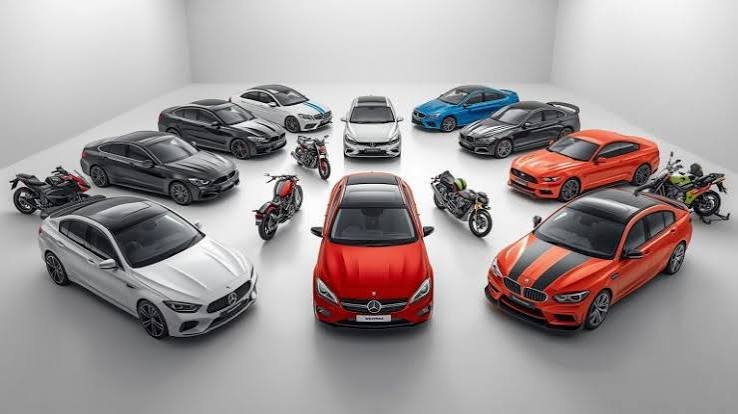
October 2026 auto sales India: Every festive season, India’s automobile industry gets an important opportunity.
Customers who have been postponing purchases start visiting dealerships.
Families upgrade their cars.
Young buyers purchase their first motorcycles.
Businesses increase vehicle purchases ahead of the year-end rush.
And manufacturers prepare for one of the busiest periods of the year.
October 2026 has again attracted investor attention because vehicle registrations increased significantly compared with September.
But here’s something investors need to understand.
A month-on-month increase is not the same as year-on-year growth.
And confusing the two can lead to incorrect conclusions about the automobile industry’s performance.
According to available VAHAN-based retail registration data, October recorded a strong increase over September across several vehicle categories.
| Vehicle category | October registrations | Month-on-month change |
| Passenger vehicles | Approximately 5.1 lakh | +14% |
| Two-wheelers | Approximately 23.2 lakh | +28.8% |
These figures reflect registrations rather than factory dispatches.
This distinction matters.
Vehicle registrations represent retail activity, while manufacturer sales announcements often report wholesale dispatches to dealerships.
Both provide useful information, but they measure different things.
October’s month-on-month growth also needs to be understood in the context of festive demand and the timing of celebrations.
Year-on-year comparisons are more complicated, and available datasets show a weaker picture than the growth percentages circulating in some market summaries.
Therefore, investors should avoid assuming that the entire automobile sector has delivered uniform year-on-year growth.
Automobiles are discretionary purchases for many households.
Consumers often postpone buying a car or motorcycle when they are uncertain about their finances.
Festive offers, discounts, new launches and improving consumer confidence can encourage them to make purchases.
That is why October and November can be important months for manufacturers.
However, the long-term performance of automobile companies depends on more than festive sales.
Investors should also examine:
A manufacturer selling more vehicles while offering heavy discounts may not experience the same profitability as one growing sales with stable margins.
Also Read – Financial Rule Changes November 2026: What Indian Investors and Borrowers Need to Know
Maruti Suzuki remains one of India’s most important passenger vehicle manufacturers.
Its extensive distribution network, manufacturing scale and strong presence in mass-market segments provide significant advantages.
The company also has opportunities in SUVs, premium dealerships and new powertrain technologies.
However, competition has intensified.
Customers are increasingly considering SUVs, and other manufacturers have strengthened their product portfolios.
Investors should therefore monitor whether Maruti can protect its market share while improving its product mix and profitability.
Sales growth alone does not tell the entire story.
Tata Motors has built a strong presence in India’s electric passenger vehicle market.
Its EV portfolio provides an opportunity to benefit from the gradual shift towards electric mobility.
However, electric vehicles remain a competitive and capital-intensive business.
Battery costs, charging infrastructure, product quality, customer experience and pricing all influence adoption.
Investors should evaluate the EV business separately from the company’s other operations.
The long-term opportunity is significant, but execution remains essential.
Mahindra has a strong position in India’s SUV and utility vehicle market.
Its product portfolio appeals to consumers seeking larger vehicles, distinctive styling and strong performance.
The company also benefits from demand across rural and semi-urban markets through its broader automotive and farm equipment businesses.
But high demand can create waiting periods and supply constraints.
Investors should monitor production capacity, order books, margins and the company’s ability to meet customer demand.
TVS Motor operates in a segment that is particularly sensitive to household affordability and consumer confidence.
Two-wheelers are essential mobility products for many Indian families and businesses.
The company also has exposure to electric mobility through its EV offerings.
Investors should look at the company’s market share, product mix, operating margins and competitive position against other major manufacturers.
The two-wheeler market may experience strong festive demand, but financing conditions and rural income trends remain important variables.
Several factors could influence automobile stocks in the coming months.
Stronger consumer demand
Sustained growth in retail sales would provide evidence that festive demand is translating into broader consumption.
Lower input costs
Changes in steel, aluminium, battery materials and other input prices can affect profitability.
Interest rates and vehicle financing
Affordable financing can encourage customers to purchase vehicles.
New product launches
Successful launches can improve market share and product mix.
Electric vehicle adoption
Companies with competitive EV offerings may gain opportunities as the market evolves.
But investors should also be careful about valuations.
A strong business is not necessarily a good investment at every price.
: ctober 2026 auto sales IndiaOctober’s automobile registration data shows an encouraging month-on-month improvement in retail activity.
However, the automobile sector remains diverse.
Passenger vehicles, two-wheelers, commercial vehicles and tractors respond to different economic factors.
For investors, the most important thing is to look beyond the headline sales numbers.
Examine company-specific earnings, market share, margins, inventory and valuation.
Festive demand may create momentum.
Sustainable profitability is what ultimately creates long-term shareholder value.





One thought on “October Auto Sales: Festive Demand Returns, but Are Automobile Stocks Ready for Their Next Rally?”